Comparing Wooden Cribs Versus Portable Cribs Today
As we navigate parenting choices in 2026, the debate between wooden cribs and portable cribs continues to be a prominent topic among new parents. Each option presents unique advantages and challenges that cater to various lifestyles and preferences. In this article, we will explore the essential factors to consider when choosing between a wooden crib and a portable crib, helping you make an informed decision for your child's sleeping environment.
Understanding Wooden Cribs
Wooden cribs have long been a staple in nurseries, celebrated for their durability and classic aesthetic. Typically crafted from solid wood, these cribs are robust and can withstand years of use. In 2026, manufacturers are enhancing the design and safety features of wooden cribs to meet modern standards.
One of the most significant benefits of wooden cribs is their longevity. A well-made wooden crib can easily transition from being a baby crib to a toddler bed, making it a cost-effective solution for families looking to invest in a long-term sleeping arrangement. Additionally, many wooden cribs are designed with adjustable mattress heights, allowing parents to customize the crib as their child grows.
Another advantage of wooden cribs is their aesthetic appeal. Available in various styles and finishes, they can complement any nursery decor. Parents often find joy in selecting a crib that aligns with their personal taste and home design.
Safety Standards and Regulations
In 2026, safety remains a top priority when it comes to children's furniture. Wooden cribs are subject to strict regulations to ensure they meet safety standards. Parents can rest assured knowing that reputable manufacturers prioritize the use of non-toxic finishes and the absence of sharp edges or splinters.
Moreover, many wooden cribs now incorporate innovative safety features, such as anti-tipping mechanisms and reinforced construction. These advancements help mitigate risks, providing parents peace of mind when placing their child in the crib.
People Also Look For:
- Tutti Bambini Alba 3-in-1 Baby Cot Bed (0-6 years) 140x70 cm - 3 modes: Wooden Baby Crib, Toddler Bed & Day Bed, Convertible Baby ...
- COSTWAY Nursing Glider and Footstool, Reclining Maternity Chair with Padded Cushions, Detachable Seat Cover, Wood Rocking Baby Nur...
- Tutti Bambini CoZee® Next To Me Crib & Standalone Baby Cot, Co-sleeper - Foldable Baby Bed, Baby Crib with 6 Height Levels, Baby ...
- suihuooo 4 In 1 Baby Crib, Next to Me Crib, 7 Level Adjustable Bedside Bed for Baby with Wheels, Storage, Mosquito Net and Matress...
- Dooky Portable Pop-Up Baby Travel Cot/Crib, Lightweight, Compact, Includes 1 cm Thick Mattress (38 x 73 x 1 cm), Folded Out 41 x 7...
Exploring Portable Cribs
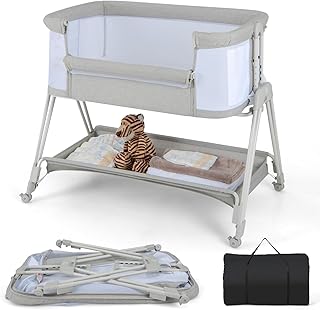
Portable cribs, also known as travel cribs or playards, have gained popularity among modern parents due to their convenience and flexibility. Designed to be lightweight and easy to transport, portable cribs are ideal for families who are frequently on the go or have limited space.
In 2026, the market for portable cribs has expanded significantly, with various models offering advanced features such as easy setup, compact folding, and multifunctional uses. Many portable cribs now double as playards, providing a safe space for toddlers to play and rest.
One of the main advantages of portable cribs is their ease of use. Parents can easily set them up in different locations, whether at home, visiting friends, or on vacation. This versatility is particularly beneficial for families who travel often, as it eliminates the need to rely on temporary sleeping arrangements.
Comfort and Design Considerations
While portability is a significant advantage, some parents express concerns about the comfort and durability of portable cribs compared to wooden cribs. However, advancements in materials and design have improved the comfort level of many portable cribs available today.
In 2026, high-quality portable cribs often feature thick mattresses and breathable fabrics, ensuring a comfortable sleeping environment for infants. It is essential for parents to consider the quality of the materials used when selecting a portable crib to ensure it meets their child's comfort needs.
Cost Implications
When comparing wooden cribs and portable cribs, cost is a crucial factor for many families. Generally, wooden cribs tend to have a higher upfront cost due to their construction and materials. However, considering their longevity and potential for repurposing, they can offer great value for money.
Portable cribs, on the other hand, are usually more budget-friendly and can be an excellent choice for families looking for an economical solution. In 2026, the range of prices for portable cribs varies widely, offering options for nearly every budget.
- Wooden Cribs: Typically range from five hundred to one thousand dollars.
- Portable Cribs: Usually range from one hundred to five hundred dollars.
Ultimately, the decision often boils down to individual family needs and lifestyle choices. Factors such as space constraints, travel frequency, and long-term usage should guide the decision-making process.
Making the Right Choice
Choosing between a wooden crib and a portable crib in 2026 requires careful consideration of various factors. Each option has its merits, and understanding your family's unique needs will help you find the best solution. For parents who prioritize stability and aesthetic appeal, a wooden crib may be the ideal choice. Conversely, families who value flexibility and mobility might lean towards the practicality of a portable crib.
In this evolving landscape of parenting, making informed choices is paramount. With the right information about both wooden and portable cribs, parents can feel confident in their decision. Whether you choose a traditional wooden crib or opt for the convenience of a portable crib, ensuring a safe and comfortable sleeping environment for your child remains the top priority. As you navigate these choices, remember that each family is unique, and what works best for one may not be suitable for another.
In 2026, the options are abundant, and the decision is ultimately yours. Consider your lifestyle, preferences, and budget as you embark on this important journey of selecting the perfect crib for your little one.